Roulette's Digital Twist in Quebec: Exploring Strategies, Variants, and Bonus Opportunities Under Local Rules
Yara Berger · Sep 26, 2026
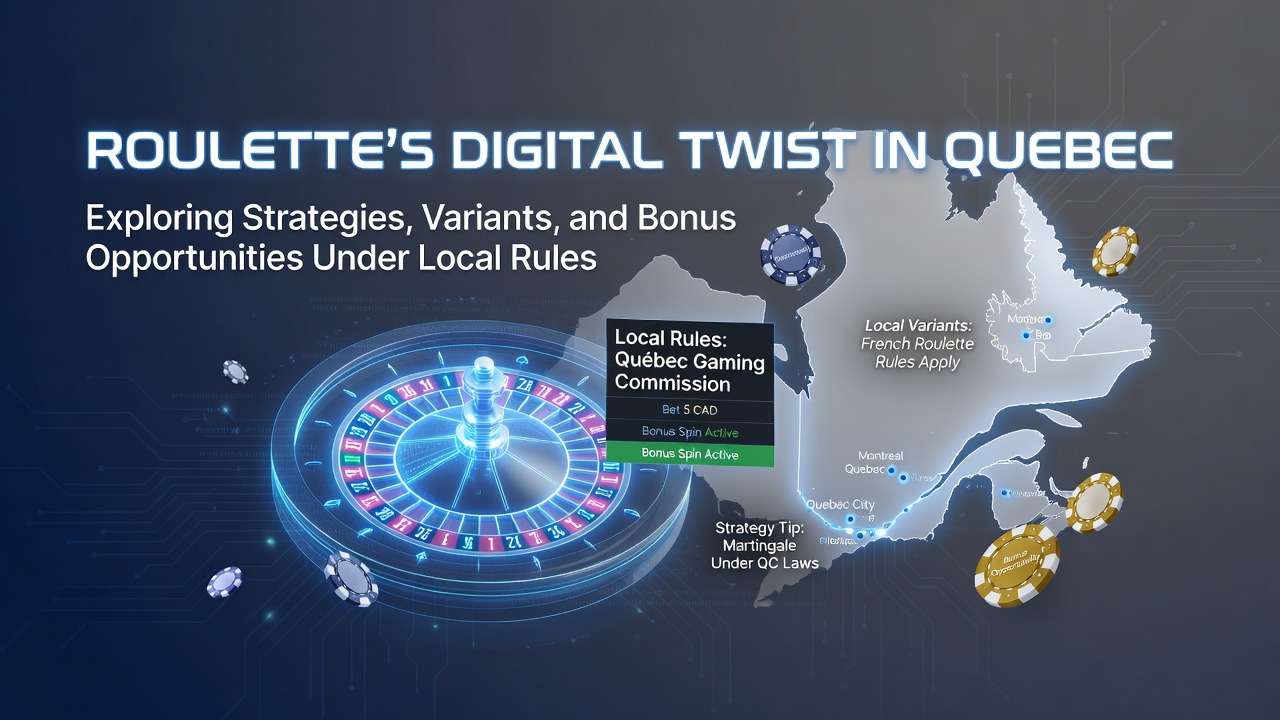
Roulette's Digital Twist in Quebec: Exploring Strategies, Variants, and Bonus Opportunities Under Local Rules
Quebec's online gambling landscape has incorporated digital roulette platforms that operate under strict provincial oversight, with Loto-Québec maintaining regulatory control over licensed operators and game offerings since the expansion of internet-based services. Players access variants through approved sites where software providers integrate random number generators that meet technical standards set by the provincial authority, and data from September 2026 shows continued growth in mobile sessions as operators update applications to comply with updated security protocols.
Variants Available on Regulated Platforms
European roulette appears frequently on Quebec platforms because its single zero wheel reduces the house edge to 2.7 percent compared to the 5.26 percent found in American roulette with both zero and double zero pockets, while French roulette adds rules such as la partage that return half the stake on even-money bets when zero appears. Operators must list these mechanics clearly in game descriptions, and users can select between RNG-driven versions or live dealer streams that connect to studios operating under the same licensing framework.
Multi-wheel and mini-roulette formats have gained listings as well, although each variant undergoes approval processes that verify payout percentages and ensure they align with the Act respecting lotteries, publicity contests and amusement machines. Observers note that platform interfaces display variant rules alongside betting grids so participants review options before placing wagers, and this transparency stems directly from compliance requirements rather than discretionary choices by operators.
Strategy Approaches Documented in Player Data
Betting systems such as Martingale, D'Alembert, and Fibonacci receive attention in player forums and educational sections of licensed sites, yet statistical tracking from regulatory reports indicates that long-term outcomes remain governed by the fixed house edge regardless of progression methods. Flat betting strategies, where wager amounts stay constant across spins, appear in session logs more consistently than aggressive progression approaches because they align with bankroll management guidelines promoted by provincial resources.
Research compiled by academic groups studying Canadian gambling behavior reveals that participants who set session limits before logging in maintain longer engagement periods without exceeding predetermined budgets, and these patterns hold across European and French variants. Software tools on approved platforms include optional timers and loss-limit features that players activate voluntarily, reflecting requirements embedded in licensing agreements.

Bonus Structures and Their Conditions
Deposit match offers and free spin packages tied to roulette appear on Quebec platforms with wagering requirements that typically range from 30x to 50x the bonus amount, and these figures follow guidelines established to prevent excessive play volume. Cashback promotions on net losses during specified periods provide another incentive type, although each promotion must receive approval and display clear terms regarding eligible games and contribution percentages.
Operators report that roulette wagers often contribute at reduced rates toward bonus completion compared with slots, a practice that stems from the lower house edge on table games and helps balance promotional economics. Players review these contribution rates in the terms section of each offer, and regulatory monitoring ensures that advertised bonuses match the conditions actually applied during redemption.
Provincial Rules Shaping Digital Access
Only sites holding licenses issued through Loto-Québec can legally target Quebec residents, which restricts access to international operators without local authorization and channels activity toward platforms that enforce age verification and geo-location checks. Payment processing uses approved methods that include Interac, credit cards, and certain e-wallets, with transaction records retained for audit purposes under provincial privacy statutes.
Updates to platform standards in September 2026 introduced enhanced encryption mandates for live dealer feeds, and operators responded by upgrading their connections to maintain uninterrupted service while meeting the new technical thresholds. These adjustments illustrate how regulatory evolution directly influences the technical delivery of roulette variants without altering core game mathematics.
Conclusion
Digital roulette in Quebec operates within a framework where variant selection, strategy tools, and promotional offers all intersect with licensing conditions enforced by provincial authorities. Participants encounter standardized information on house edges, wagering requirements, and responsible gaming features across approved platforms, allowing decisions based on documented mechanics rather than promotional claims. Continued regulatory oversight ensures that developments in software delivery and bonus structures remain aligned with established legal parameters.